Sourced game report. We have not played this game. This report examines the official listing. We have not sampled player comments or tested the mechanic. Sources checked Oct 3, 2026. How we write these reports.
THE EVIDENCE SO FAR
Duplicate reinvestment gives the collection a management hook. This first report explains the premise; it does not assess the pacing of the released game.
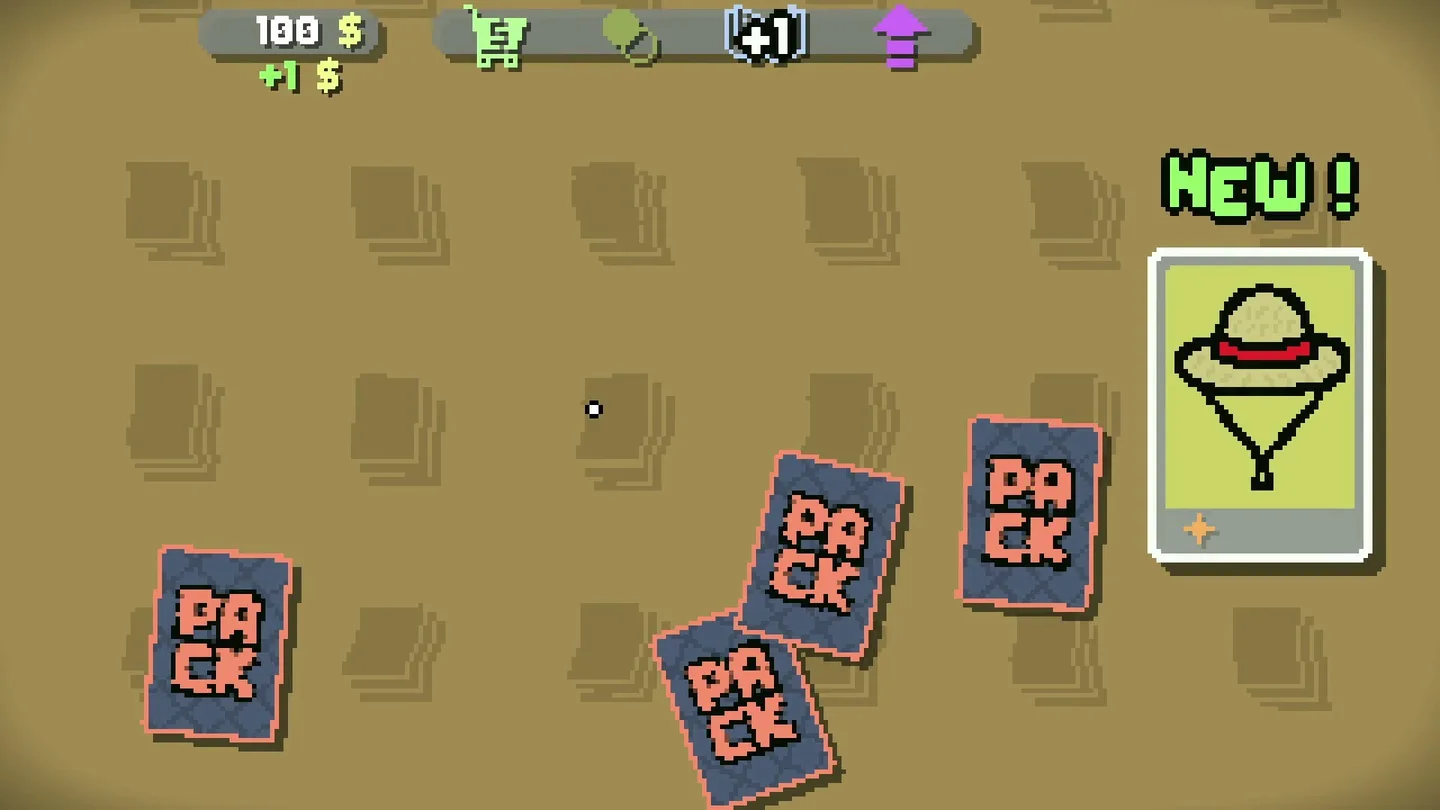
Crack the Pack turns duplicate cards into upgrade money, then lets you automate opening more packs. A bad pull still feeds the machine. That's the loop I'd want to inspect: when does collecting become managing?
The game
The official Steam listing describes a collecting loop in which duplicate cards fund upgrades and employees can open packs for you. That makes an unwanted card useful in a second way: it contributes to the machinery behind future pulls. The store material is the basis for this report; the screenshot above is publisher-supplied.
What players report
This first-look report does not include a qualitative sample of Steam reviews. The review total shown in the game file measures audience activity; it does not tell us what players think about automation. A qualitative reception section would need its own dated reading sample; we have not added one to this first-look report.
Our analysis
The interesting choice is where to put the value of the last opening. Pursuing one more discovery serves the collection directly. Investing in automation serves the process that produces discoveries. In our reading, that gives collecting two different goals, even when both lead back to another pack.
There is a useful question inside that transition. Does delegation free you to make more interesting decisions, or simply create more results to clear away? A larger collection is visible progress; less satisfying busywork would be a different kind of progress. The mechanic makes that distinction worth examining, but the store page cannot answer it.
What remains untested
We have not tested upgrade pacing, completion time or how much attention the automated loop needs. A useful playtest would follow the first employee unlock and record which interactions actually disappear. It should also inspect the late collection, where duplicate income and the rate of new discoveries may pull in different directions. The premise is a reason to investigate, not evidence that the grind resolves itself.
Sources & context
- Official Steam listing Checked Oct 3, 2026
One mechanic, the decision it creates, and a little dry humor.