Deskrawl’s loot cart makes attention part of the build.
ARGUMENT · Official listing and selected English player reports · Not played · Sources checked Oct 9, 2026. Our method.
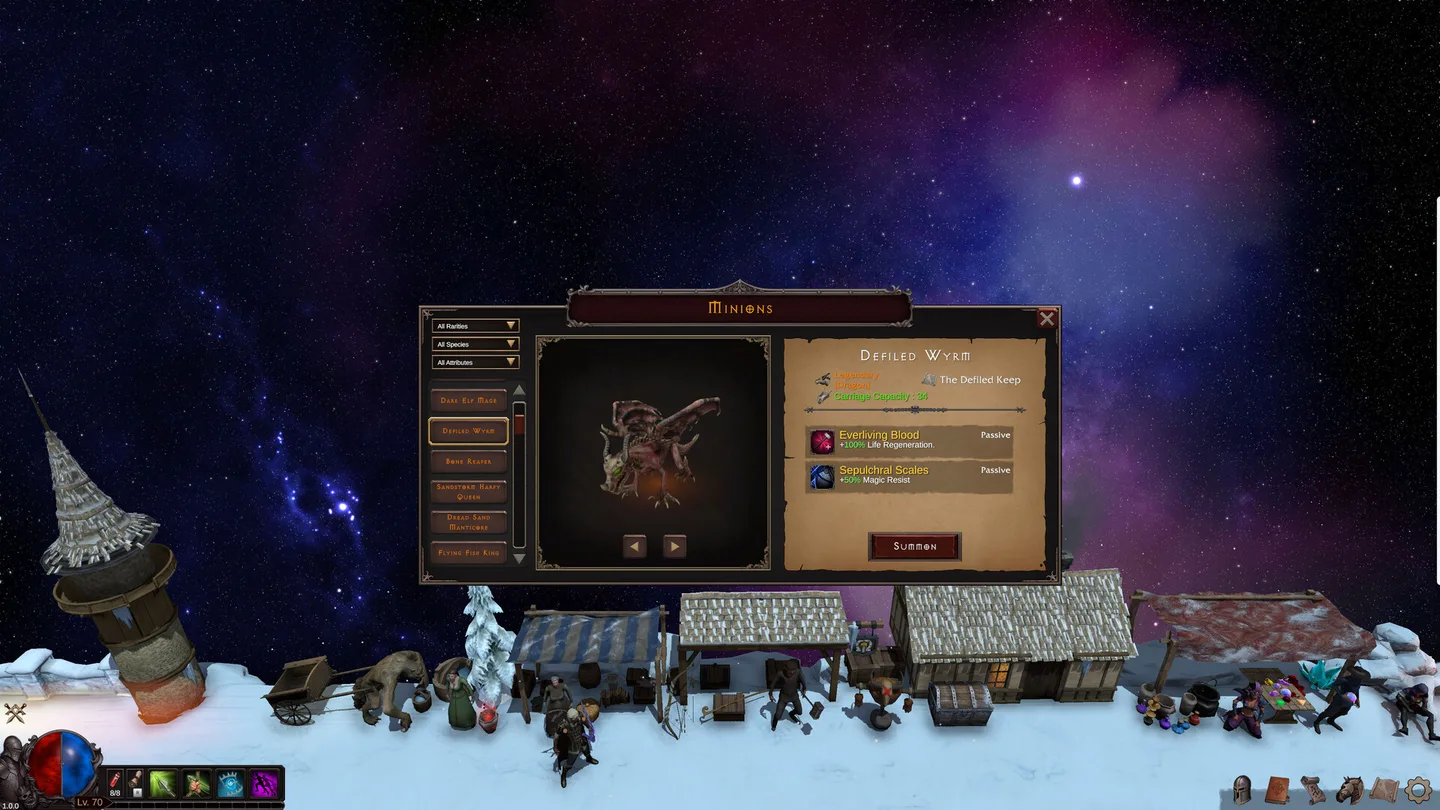
Deskrawl’s captured enemies get a second job: hauling the loot cart. The official listing says minions keep the collecting operation moving and can support combat with buffs or abilities. For a game that lives at the bottom of your desktop, carrying the results matters as much as producing them.
The listing’s promise is loot farming while you work or relax. That makes attention a useful way to evaluate the build. A stronger hero might defeat more enemies, but a cart and inventory determine what happens to the rewards while you are elsewhere.
The page is particular about the minion. Enemies can be captured, and the sentence includes bosses. Some grant passive buffs. Others unleash special abilities. The cart is one job. A buff and a special ability are two others, and they can belong to different captured enemies. A captured boss is still a minion, and minions are who the page puts on the cart.
Town is a second place the loot can go. You stockpile resources, grow an outpost into a hub, and unlock NPCs and services. The same page says equipment, materials and minions can be traded on the Steam Market. A captured enemy can leave the desktop. Mythic Realms are the opposite pull: timed trials and rising difficulty tiers, with better rewards the deeper you go. A timer is a reason to come back to the window. The cart was the reason the listing gave you for staying away.
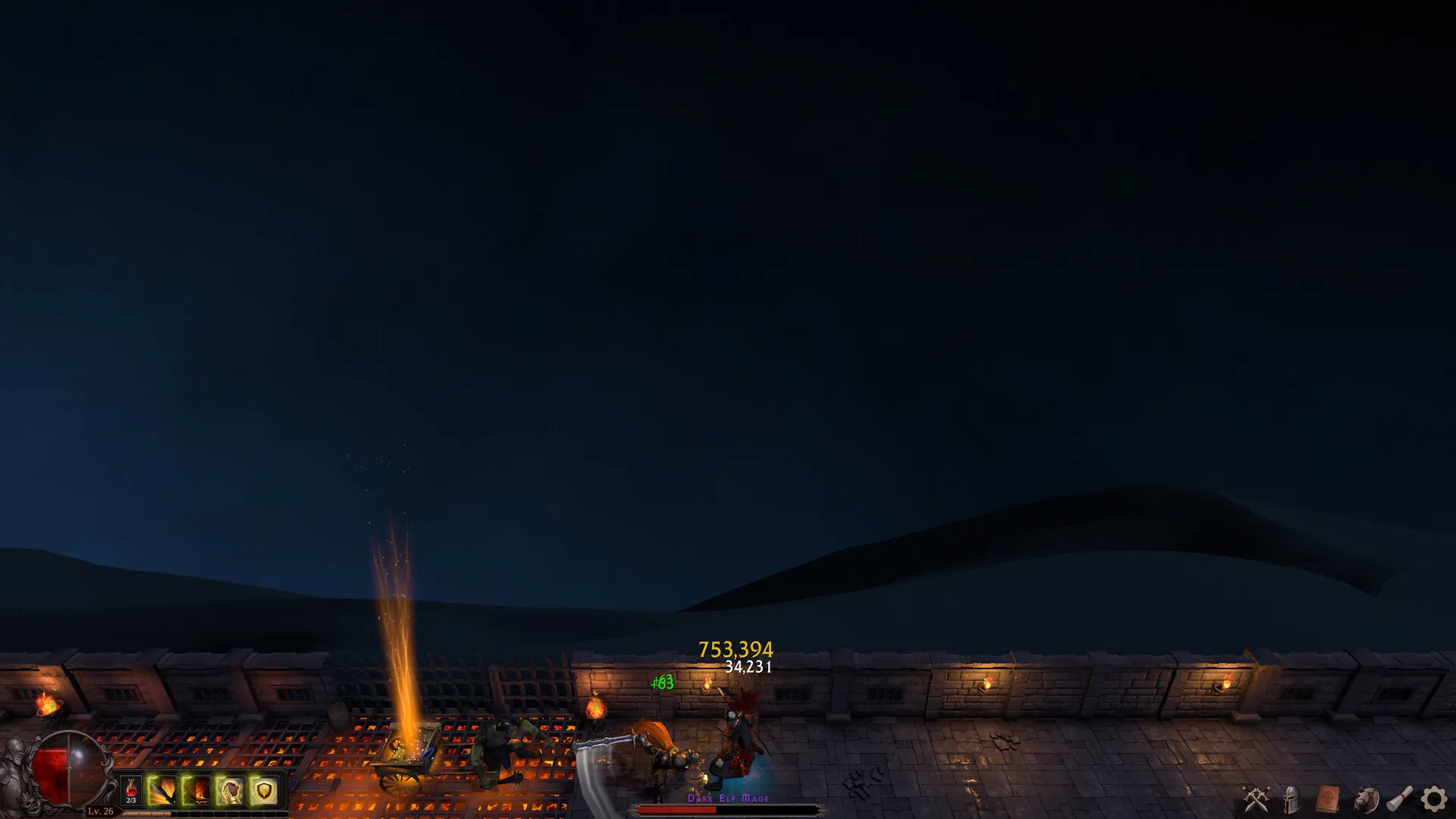
An October 1 negative reviewer reports having to empty a loot box and return to town to sell items. Steam displays 2.1 hours at review time for that account, distinct from its later total. This is an early-session complaint about particular chores, rather than a measurement of the whole progression.
The reply thread supplies a relevant counterexample. An October 1 commenter says unlockable life skills can automatically sell or salvage selected rarities and send items onward when the loot box fills. That is another player’s account, not a feature we have tested. It changes the question, though: how long does the inconvenience last, and how clearly does the game explain the means of reducing it? The original complaint cannot settle that by itself.
A different October 1 negative review objects to talent-refund costs and a slow feedback loop for learning builds. Replies dispute how burdensome those costs become. The disagreement concerns progression and resources, not simply whether the game runs in a small window. Neither side establishes the current price or how it feels at every stage.
The useful distinction is between combat power and unattended convenience. Minions haul loot; reported filters decide what is worth keeping; talent choices affect how costly it feels to revise a plan. That suggests a build can be judged partly by the attention it returns to you. More drops are not automatically better if collecting them brings you back to the window more often.
For someone considering Deskrawl as a desktop companion, the practical next step is to inspect the inventory unlocks and when they become available. These launch-period accounts give that investigation a subject. They do not establish an idle interval, or a verdict on the current build.
Sources & context
Official listing rechecked October 9 for capture, town services, Steam Market trades and timed trials. Two English negative review permalinks and their visible reply threads were rechecked October 8, selected from the earlier article’s links for inventory and respec context, not sampled randomly or ranked anew. The formerly cited favorable link now redirects to a profile and is omitted. October 1 comments describe early progression; no build or unattended interval was verified.
- Official Steam listing Checked Oct 9, 2026
- Dated player report on Steam Checked Oct 8, 2026
- Dated player report on Steam Checked Oct 8, 2026
One mechanic, the decision it creates, and a little dry humor.