TOEM 2’s camera attachments put the idea of discovery under pressure.
ARGUMENT · Official listing and selected English player reports · Not played · Sources checked Oct 9, 2026. Our method.
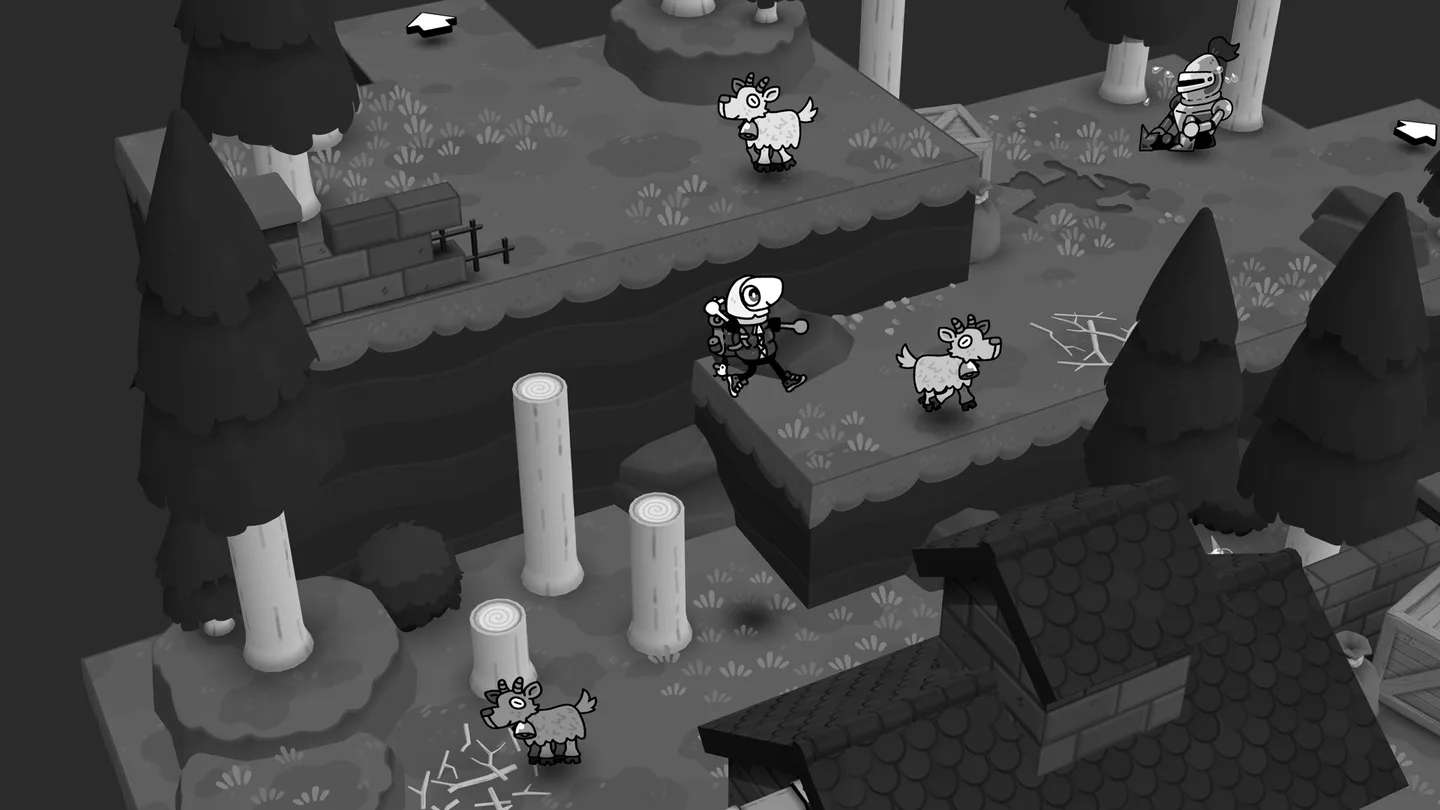
TOEM 2 gives its camera attachments a particular promise: photographs can be used in new ways to overcome regional problems. The official listing also ties completed quests and discoveries to stamps that unlock the next region. A camera can record the trip and help make the trip possible.
The useful question is what an attachment adds to looking. A tool might encourage you to reconsider a scene, or act as the required answer to one obstacle. Those possibilities can both move a quest forward, while supplying different reasons to enjoy the photograph that gets you there.
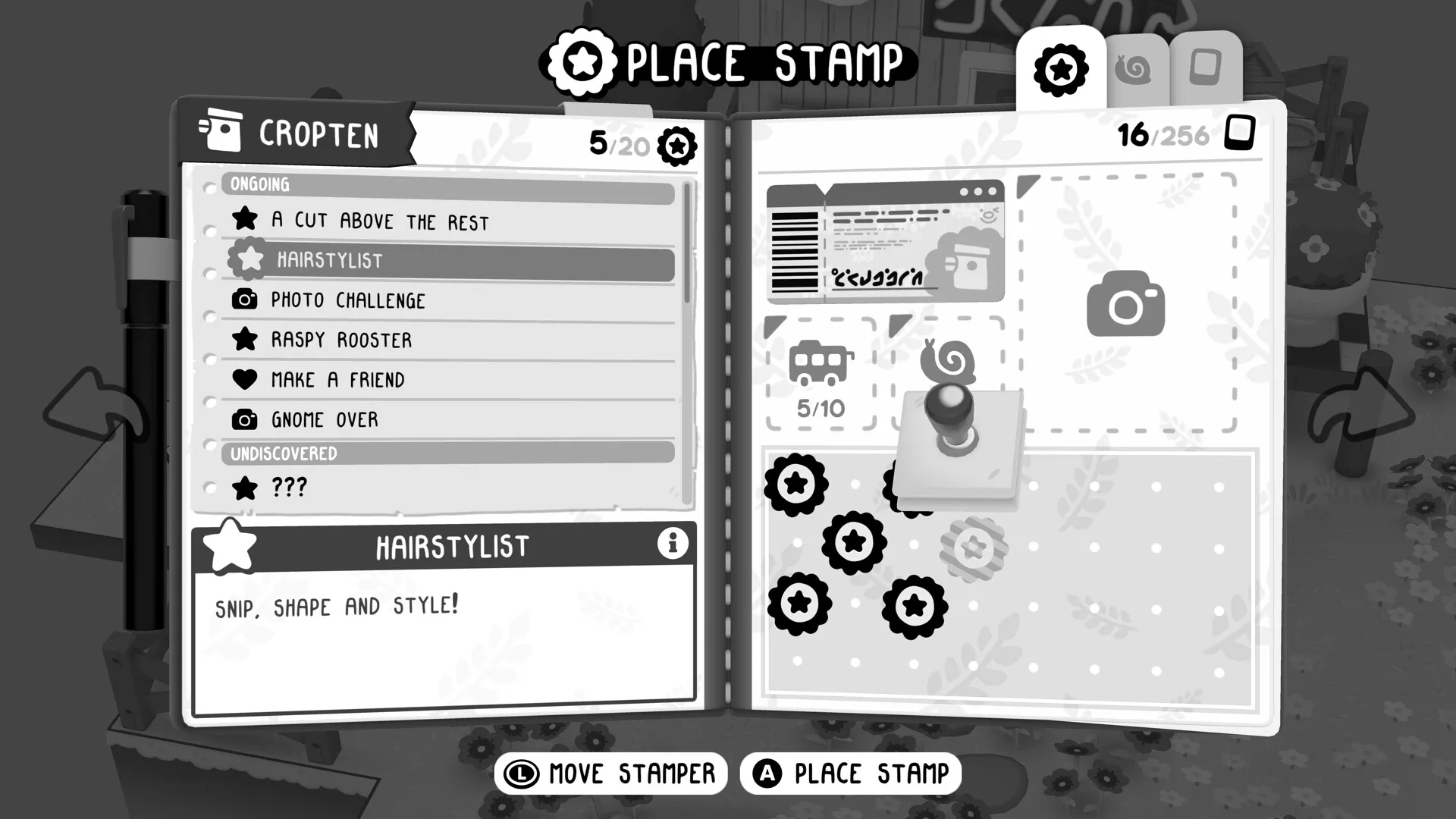
The stamp makes that split concrete. The page says you fill a journal by completing quests, documenting discoveries and expanding a critter compendium. Each stamp is a record of something you found. The same sentence calls the stamps your ticket to the next region. A photograph can enter the journal as a quest, a discovery or a critter, and only some of those moves open the map. The attachments are the “unconventional” use: the listing says they let you overcome problems that differ by region. It does not name the attachments. Run, jump and climb are the other ways the page says you move through the new places, along hidden paths and viewpoints. The world, in the store’s words, rewards curiosity, and the page says there is no time limit and no tricky requirement for full completion.
A positive September 29 reviewer describes jumping and tools as welcome additions, while wishing the sequel had more areas and some features from the original. Steam records 3.7 hours at review time and labels the product received for free. This is enthusiastic testimony with a qualification about scope, not evidence of an exact completion time.
A September 30 negative reviewer, with 3.0 displayed hours, makes a more specific objection: the hammer and scissors, in their account, are tied to the areas where they are acquired. They interpret those tools as keys rather than abilities that continue changing exploration. This is a report of how the additions felt to that player, not a rule we have verified across the game.
The two accounts do not establish a representative dispute about guidance. They do identify different standards for an addition: a fresh interaction in a new place, or a tool that keeps producing new uses afterward. The critic’s examples make that difference concrete enough to inspect in a demonstration.
The developer also describes a journey without time limits. That matters to the interpretation of stamps. A stamp can provide a destination for a walk without requiring that every photograph earn one. The prospect of looking around at leisure is independently supported by the listing, even while the reports leave open how flexible the puzzle tools become.
The supported judgment is about fit. Someone interested in an unhurried photography trip has a reason to examine these scenes; someone looking for camera tools that repeatedly change the puzzle vocabulary should examine their reuse. Those are different questions from whether a launch recommendation is positive. Neither the store’s calm framing nor these two accounts measures how a complete journey will feel to you.
Sources & context
Official listing rechecked October 9 for attachments, stamps, the critter compendium and the lack of a time limit. Two English review permalinks, posted September 29–30, were rechecked October 8. Chosen for specific contrasting accounts of the tools, not a representative guidance survey. The positive account discloses a free product. Displayed playtime and playtime at review are distinguished in the claim record. No completion timing or current-build stability was tested. The hammer and scissors are that reviewer's examples. The listing does not name them.
- Official Steam listing Checked Oct 9, 2026
- Dated player report on Steam Checked Oct 8, 2026
- Dated player report on Steam Checked Oct 8, 2026
One mechanic, the decision it creates, and a little dry humor.